This is the story of a healthy obsession. At least, that’s how I view my journey from a one-off marathon attempt in 1998 to a full-on drive to complete ten marathons in the face of injury, illness and the effects of a global pandemic.
Deciding to train for a marathon in 1997 didn’t come completely out of the blue, but nor was it a well thought-through plan. I had quite enjoyed some cross-country running as a schoolboy and then over many years had run only occasionally. The concept of a marathon had always held some attraction for me, but it seemed so unlikely that I would ever have the will or stamina to accomplish such a feat. Then a couple of colleagues persuaded me to join them in a fundraising effort at the Great Edinburgh Run 10km race in 1996. I trained up for this over a period of 6-8 weeks and on the day one of my colleagues was unable to participate and two of us ran it together. We had a good time and within days we had both signed up for the Alloa Half Marathon in March 1997. This time my other colleague dropped out and I took part on my own. Alloa’s quite a tough course depending on the wind direction and there’s a nasty wee hill in the latter half, so by the time I finished I was pretty well exhausted. But I knew then that the next challenge was to tackle a full marathon. Running a marathon has been described, not unfairly, as “the triumph of desire over reason” so, while I can’t really explain to you the rationale, as soon as I finished the Alloa half it became inevitable that I would start training for a marathon.
“The reason people want to run the marathon is because the challenge, physically, is you. The distance – how you get there – is all up to you and how hard you work. That’s why people want to do it.” – Meb Keflezighi
#1 Copenhagen, May 1998
The choice of Copenhagen as the location for my first marathon wasn’t entirely random either. I had decided that planning to travel abroad for a marathon would add an extra element of motivation to my training. Booking flights, arranging accommodation and letting people know of our plans all reduced the chances of me bailing out after a hard training session. We had enjoyed recent visits to family friends who live on the outskirts of Copenhagen and they were happy to let our family stay with them again. And Copenhagen is flat.
As well as planning a trip to Copenhagen, I used another time-honoured strategy to help motivate me through the long months of training. I used the marathon to raise money for charity, in this case splitting the money raised between a national charity, Christian Aid https://www.christianaid.org.uk/, which fights global poverty, and a local charity, Redwoods https://www.redwoods.org.uk/ which supports people with learning disabilities across Edinburgh and the Lothians.
“A marathon is hundreds of miles. The finish is the last 26.2.” To be honest I had no idea what a marathon training programme should look like. Apart from a cursory look at a guide for first-time marathon runners I took a “common sense” approach, working out a gradual increase in weekly mileage from where I started, scheduling long runs at the weekends, building up to 32 km/20 miles and allowing for a taper at the end. I didn’t give a thought to nutrition, strength training or sleep patterns.
The day of the marathon turned out to be unseasonably hot for Denmark with the temperature creeping up to the mid-20°s. Right from the start I found the experience to be exhilarating, combining the excitement of reaching the culmination of months of planning and training with the nerves and anxiety that I might not have trained enough and may not finish the race. I was aware of running through the streets of a beautiful city, passing Christiansborg Palace, the open spaces of Fælledparken and the little mermaid statue. But I was also in my own wee world, reminding myself that I had trained for this, willing my legs on to complete the distance. The other runners helped keep the adrenaline up, spectators at the side of the road encouraged with applause and shout-outs, bands played live or PA systems blared out music at key points. As my energy was draining away I took encouragement from a group of pipers striking up Scotland The Brave of all tunes. Eventually cramp forced me to stop running, but with a brief rest, some stretching and further encouragement from kind strangers I got on my way again, finally crossing the finish line with that mixture of elation and relief with which I would become more familiar each time I completed the 42.2k distance in the years ahead. I shed a tear that day, knowing I had accomplished something special. I had managed to complete it in under four hours too, a feat at the quicker end of my expectations and good going for a first-time marathoner.
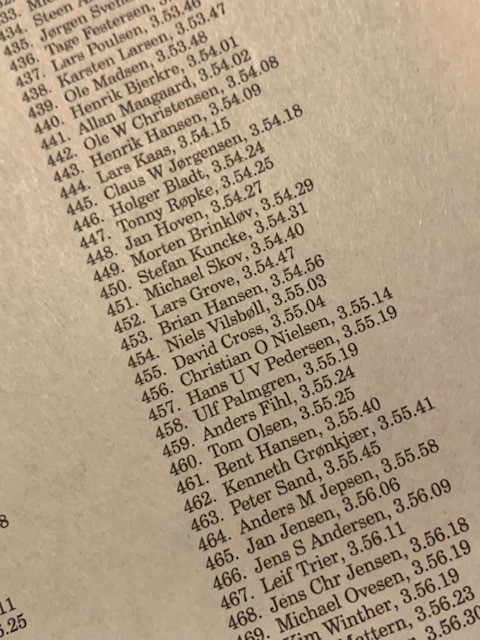
Finish time: 3 hours 55 minutes and 4 seconds.
#2 Edinburgh, September 1999
Having completed that first marathon in Copenhagen, I didn’t at that point give any real thought to whether I would ever attempt another marathon. The trigger for the fateful decision to run a second marathon was the reintroduction of an Edinburgh Marathon. There hadn’t been a marathon held in Scotland’s capital since the Commonwealth Games were held there in 1986, but in 1999 a new marathon sponsored by Puma and supported by both Fife and Edinburgh councils was organised. I couldn’t resist the attraction of running a marathon in my home city. So I headed back out on the training runs, again building up slowly, focusing on racking up the miles. Psychologically it was easier this time, knowing for sure that I had it in me to complete the training programme and the race itself. Physically, well, it always hurts…
“My message to the people in the world is to go for a run. I believe it’s the way to free our minds and to make ourselves happy and healthy” – Eliud Kipchoge
The route started in the historic town of Dunfermline, crossed the Forth Road Bridge, meandered through the rural woods and meadows of the Dalmeny Estate, hugged the Firth of Forth shoreline in the north of the city before heading to the city centre, Holyrood Park and a stadium finish on the running track at Meadowbank. It was an impressive start with the run over the Bridge, but it wasn’t a big field of runners and as the field stretched out there were some fairly lonely periods of no spectators and few other runners. As we headed into the city centre there were a lot more people watching and cheering the runners on. The extra boost provided by having a crowd was very evident, although again I had to walk for a couple of hundred metres before summoning up the energy and strength to run through to the finish. Crossing the line on the running track at Meadowbank Stadium was a great feeling and I was delighted to have improved on my previous time.
Finish time: 3:52:00
#3 Dublin, October 2004
And that was it for marathon running.
Or so I thought. I had achieved my goal of completing the marathon distance and I had participated in a new marathon in my home city.
Yet once you’ve been bitten by the marathon bug there’s something deep inside that never quite goes away. So although I more or less gave up running regularly, there was always the potential for the desire to be re-ignited by the right combination of factors. And for me those sundry factors were: a change in work location reducing my commuting time; my youngest (at the time) child growing out of toddlerhood; increasing fitness due to more regular 5-a-side participation; and randomly coming across information about the Dublin Marathon celebrating its 25th year in 2004.
So I was off again. Back to training runs 4 or 5 times per week. The advantage of an autumn marathon (for people living in cold, wet, dark northern climes at any rate) is summer training. I worked to a more structured 12-week training programme this time, giving me confidence that I could return to marathon running after a five year break. During this programme, however, I had my only real experience of a running injury, twisting my back during a training run just five weeks out from the marathon. I was pretty immobile for a few days and concerned that I wouldn’t be able to complete my training or take part in the marathon. Pain relief was sufficient to get me back on the road within a week, however, and I’ve always suspected that those days of enforced rest did more good than the harm caused by the injury.
One respect in which the Dublin Marathon is pretty unique is that, instead of the usual Saturday or Sunday event, it is run on a Monday, on a traditional Irish Bank Holiday at the end of October each year. So I headed out to Dublin on the Sunday, staying in a hostel which seemed to have been block-booked by running clubs from across England. No Guinness that night, however.
The run itself started close to Trinity College and finished at the nearby Merrion Square. Its most striking feature is the long stretch through Phoenix Park where you can completely zone out of the urban sprawl all around and enjoy a rural setting for several miles of the route. I was keen to avoid the cramp and the stop for stretches that I’d experienced in my first two marathons and although it required a massive effort I succeeded in making it to the finish without stopping running.
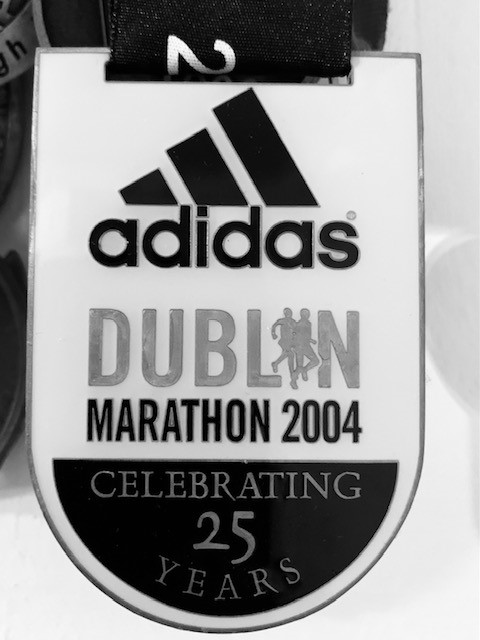
We do it for the bling
Another new achievement for me, and a significant improvement in my time too. A jar of the black stuff had been well-earned. This marathon running is getting easier.
Finish time: 3:46:24
Reading about running: I haven’t read an awful lot of running books over the years and to be honest I don’t always find reading about running to be very interesting. So no hard feelings if you don’t make it to the end of this short piece. Advice manuals such as Cliff Temple’s ‘Marathon, Cross Country and Road Running’ or the Runner’s World ‘Run Less Run Faster‘ have been useful as far as it goes, though I find I get the most helpful advice in suitably-sized chunks from the likes of Runner’s World magazine. I have read a couple of runner’s memoirs written by non-competitive runners like myself, but have found them to be self-absorbed and, frankly, the jogging equivalent of Rate My Plate. Two contrasting exceptions to my ambivalence about running writing are ‘What I Talk About When I Talk About Running‘, a quirky and philosophical meditation on running and life by the Japanese author Haruki Murakami, and ‘Let Your Mind Run‘, an inspirational account by the American marathon runner Deena Kastor, of overcoming running burnout by learning to think positively through adversity.
#4 Edinburgh, May 2008
This marathon running is getting easier….or so I thought.
The years following my Dublin Marathon experience were all about the Edinburgh Marathon Festival. I volunteered on two occasions, working on the registration desk one year and assisting with traffic restrictions another year. The registration desk role was quite inspiring, seeing people of all ages, nationalities, experience and fitness levels entering this most challenging of events with varying degrees of trepidation and excitement. The traffic control role was something of an eye-opener: while most people accepted the restrictions on a Sunday morning with bafflement, an easy shrug of the shoulder or a cheerful wave, being asked to make a detour invoked unfathomable rage in a few folk, and one driver simply refused to be deterred, physically removing a traffic barrier and driving through the restricted area. The sense of entitlement that some people appropriate when in control of a motorised vehicle is really quite something to behold.
In addition to volunteering, I also participated in relay teams at the Edinburgh Marathon Festival. On one occasion I stepped in with a few days’ notice to substitute for a friend who had to withdraw from a team due to injury. With little training and a competitive team this was a hard shift, but helped to re-ignite my desire to train up to competing in a marathon again. Another year I took part in a relay team to raise funds for a charity now known as Held In Our Hearts https://heldinourhearts.org.uk/ which provides baby loss counselling and support to families in Edinburgh.
In 2008 I ran the full Edinburgh Marathon. This was the marathon that taught me never to underestimate the scale of the challenge or take shortcuts with my training. I followed a training programme over about eight weeks leading up to the marathon, running five or six times a week and steadily increasing the distance I was running. Although this was a shorter programme than I had used for previous marathons, I was starting from a reasonable level of fitness and had the confidence gained from improving my time on each previous occasion.
As anyone who has run the current Edinburgh Marathon route will know, it starts in the city centre followed by a descent to the coast but fairly quickly turns into an out-and-back route through flat rural roads in East Lothian, turning at around 30k and finishing up in Musselburgh. That early downhill stretch lulls the runner (well, me at least) into too quick a pace. Combine that with an unrelenting headwind for the whole of that first 30k and my less-than-ideal training programme and the result was my only full-on experience of hitting the wall. It’s both a physical and a psychological phenomenon and seems to be affected by a range of factors: long-term physiology; the training done in preparation for the race; nutrition in the days leading up to the event; fuelling and hydration while on the run. When it comes, there is nothing you can do other than to stop running. When I stopped in Port Seton, around 36k into the race, I thought there was no way I could complete the distance. I hobbled on to the last water stop, took on some water and my last energy gel and, after walking for 10-15 minutes, began to jog slowly before working up to a sluggish run through the remaining few kilometres of the race. Back in 2008 the finishing line was at Musselburgh Racecourse – this was a great finish, combining excellent viewing for spectators with a spacious area for food and drink to help with the much-needed recovery.
My toughest marathon experience by far. However, at this point the prospect that this might stand me in good stead for future attempts at the marathon seemed, at the very least, far-fetched.
Finish time: 4:05:50
#5 Tromsø, June 2014
While my demoralising marathon experience at Edinburgh in 2008 contributed to the delay in moving on to marathon #5, it wasn’t the only factor. This was probably the point at which I was most likely to stop running the 42.2k distance altogether. As I said earlier, I continued to be involved with the Edinburgh Marathon Festival, and I took part in other events such as the half marathons in Jedburgh and on the Isle of Harris, and kept fit via weekly 5-a-sides and regular cycling, but for several years I didn’t have any strong drive to return to running the full marathon distance.
My thoughts turned towards returning to marathon running when I was approaching 50. Like many people, I wanted to mark this milestone with something special and, like many runners, there was an element of defying the ageing process in setting myself a challenge to beat my previous best time. So a plan was hatched to take part in the Midnight Sun Marathon in Tromsø, Norway. The city of Tromsø is several hundred miles into the Arctic Circle, its marathon the northernmost in the world. I had read about this marathon several years earlier and it seemed like a unique event in a fascinating location that I had always wanted to visit. So I signed up, and arranged flights from Edinburgh and accommodation in Tromsø for Laura and me to have a few days’ “break” in June 2014.
I decided that this was also an opportunity to raise money for a good cause. I lost both of my parents to cancer and appreciate the value of the work undertaken by Macmillan Cancer Support https://www.macmillan.org.uk. So alongside the long months of marathon training I put effort into fundraising for Macmillan and greatly appreciated the generosity of family, friends and acquaintances who contributed to this cause.
Early in my training I also joined the Strava community as I started recording my training runs using the GPS sports app https://www.strava.com/athletes/davidcross and learning so much about my training. Strava (*other running apps are available) is a great motivator, and when I later upgraded to an integrated heart-rate monitor too I developed my understanding of my running strengths and weaknesses from further analysis of details such as pace, heart-rate, elevation, cadence. It’s also a great way to follow, encourage and support running friends, and indeed strangers, around the world. Plus, it tells you when to buy new trainers.
And so to Tromsø. It’s not easy to get to from Scotland, in fact it required three flights from Edinburgh, with stops in Copenhagen and Oslo. We had a minor panic in Oslo when the airline couldn’t find our booking for our onward flight to Tromsø, but managed to get it sorted with not much time to spare. Tromsø itself is quite a small city and our accommodation was just metres away from the marathon start line. It’s not often you can travel from Scotland and find your destination colder and wetter, but we arrived in Tromsø during an exceptionally cold spell for Midsummer and on the morning of the marathon the rain was torrential.
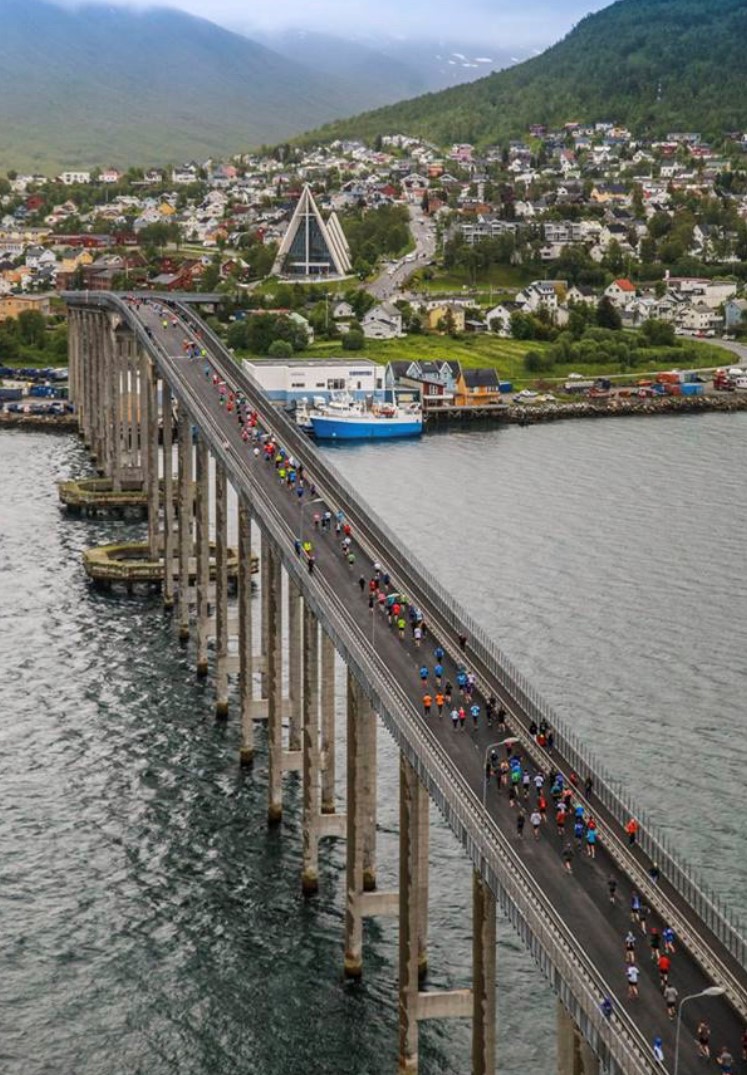
Fortunately, the rain eased off and by the time the race started at half past eight in the evening it was bright, though still cold at 3°. The late start is of course designed to have you running into the night with most runners finishing after midnight. The route is lovely, mostly rural and much of it alongside the shoreline looking out on to the Sandnessundet strait. The Tromsø Bridge poses a challenge to runners early in the race and again – when the challenge seems so much tougher of course – around the half-way mark, but otherwise it’s a relatively flat route. Crossing the bridge twice in this manner showed up the extent to which the runners spread out over the course of the marathon as the second crossing was much less congested. I was well past half way before I was warm enough to discard my beanie and gloves. By this stage I was beginning to experience the loneliness of the long-distance runner as the field spread out ever further and there were virtually no spectators, making it harder to cope with the loss of energy in the closing kilometres. While it was in fact extraordinary to be running so late into the night in broad daylight, the most surprising thing for me was how normal it all felt. By the time midnight struck I was running back in towards the city centre and enjoying the growing number of spectators. I was too tired to fully appreciate the midnight sun, but enjoyed the carnival atmosphere created by runners, spectators and entertainers in Tromsø at the finish in the night.
The next night we took more time to appreciate the phenomenon of the midnight sun – it wasn’t a very clear night but the sun flitted in and out from behind the clouds throughout the night. The following day we took a drive around the Lyngenfjord area, including a couple of ferry crossings, enjoying the beautiful clear Arctic air and some striking similarities to the Scottish Highlands with which we’re so familiar.
Finish time: 3:33:34
I experience various states of mind during the long training runs. There are times when I focus on the physical and psychological impact of the run, whether that’s the early ‘getting into gear’ phase, the strong early miles when everything feels good, or the hard work in the later miles when it all feels so exhausting. Sometimes I get lost in a train of thought, working out some problem from work or thinking through recent events whether personal or global. There are times when I focus on the surroundings, especially if I’m running a new route or in unfamiliar surroundings, if it’s a sunny day in a beautiful location, or if there’s an interesting focal point like on my favourite training routes around Holyrood Park or over the Forth Bridges. Sometimes I’m focusing on my stats – how fast, how steady, my heartrate. I find myself counting the kilometres – firstly upwards from the start and then counting down to the finish. I repeat mantras, I meditate, I pray. Very often I couldn’t tell you what’s going through my mind – running allows me to cease all of these thoughts and activities and others, and instead simply to run, an entirely physical act.
Above all though, there’s music and rhythm. Even if I don’t have my earphones with me I find myself running to a rhythm and usually to music repeating in my head. Most often, though, I train with music playing. The music seems to serve several functions: it helps me to keep a steady pace, driving me on when my energy levels dip; it helps me to avoid distractions like traffic, wind and rain, hills or negative thoughts; it passes the time when the running becomes a chore; it provides variety and new experiences as I choose different genres and artists and listen to new or unfamiliar tracks; conversely it provides continuity and familiarity as I listen to repeat playlists. I can appreciate whole symphonies that I would otherwise never find the time to listen to. I’ve listened to new music that I would never have otherwise encountered. I get a boost from listening to music created and released by my own children. I have my favourite artists that I return to again and again for running motivation – Springsteen, Queen, REM, James, The Strokes. And some tracks that I keep returning to for running inspiration – Rolling Stones’ Paint It Black, Runrig’s Siol Ghoraidh, Dire Straits’ Lady Writer, Counting Crows’ Hard Candy and David Guetta/Sia’s Titanium are just some of the most well-worn tracks on my top running playlist
#6 Stockholm, June 2016
My Midnight Sun Marathon experience rekindled my love for running and I followed it up with a half marathon personal best time at the excellent Great Scottish Run in Glasgow in October 2014. It wasn’t until the following autumn though that I began planning another marathon, this time – probably for the first time – having an explicit goal to achieve a personal best time and, all being well, finish in under 3 and a half hours. Markers like this are pretty arbitrary of course, but they provide the goal to work towards which helps to shape your training plan and sustain you through the long (winter) months of hard training. I chose to use a 16-week training programme which incorporated some speed, fartlek and hill work, and built in a new event, the Great Edinburgh Run, an excellent challenging 10 mile run through the city centre around six weeks before the Stockholm event.
One of my boys came with me on the trip to Sweden, having just finished his certificate exams. He wasn’t running but came for the ride. We stayed in a very stylish – this is Stockholm after all – hostel in the city centre. The day before the marathon, while the teen dozed, I headed to the expo and registration to pick up my number before taking a leisurely wander round the Olympic Stadium, built for the 1912 Games and still used for top-level athletics…..and the last 300 metres of the Marathon. It’s an inspiring setting.
This was the biggest marathon I have taken part in, not quite on the scale of London, Berlin or New York, but with 20,000 participants it was still a slow and congested start. The route is a fabulous mix of wide urban streets, the semi-rural Djurgården, the historic Gamla Stan, and Västerbron – a majestic structure 9km into the course, the killer hill at 34k! I largely kept my pace up with the exception of one hill around 3km from the finish, and was able to appreciate the surroundings as I entered the Olympic Stadium and completed the marathon on the perfect running track. Strava tells me that my time was 3 hours 25 minutes and 54 seconds, which was well inside my target time, however history records my official time as being 9 seconds slower than my 3 and a half hour goal.
The following day we took a trip to Vaxholm, about 40 minutes away by ferry in the Stockholm archipelago. We enjoyed a recovery day, wandering around the wooden houses and boats and eating in an American diner. A chilled ending to a very satisfying trip.
Finish time: 3:30:09
Running has become such an important part of holidays for me and I’ve enjoyed training runs in places as varied as Florida and Finland, Corsica and Croatia. Our Scottish islands have provided the setting for many of the most scenic runs, including Scalpay and Harris, Tiree, Arran, Cumbrae, Lismore and Mainland Orkney. Trips to the big English cities – London on several occasions, Manchester, Liverpool, Southampton – invariably now include a well-planned run. Pedestrianised city centres, parks, former railway routes converted to footpaths and, best of all, canal towpaths provide endless running opportunities.
#7 Stirling, May 2017
The Stirling Scottish Marathon was a brand new ‘Great Run’ event launched with considerable fanfare in 2017. Its selling points were its central Scotland location, a start in the Blair Drummond Safari Park, a scenic route, and a finish in the centre of Stirling. I used the same 16-week training programme as I’d used for Stockholm and went into the event feeling very positive about being able to better my time.
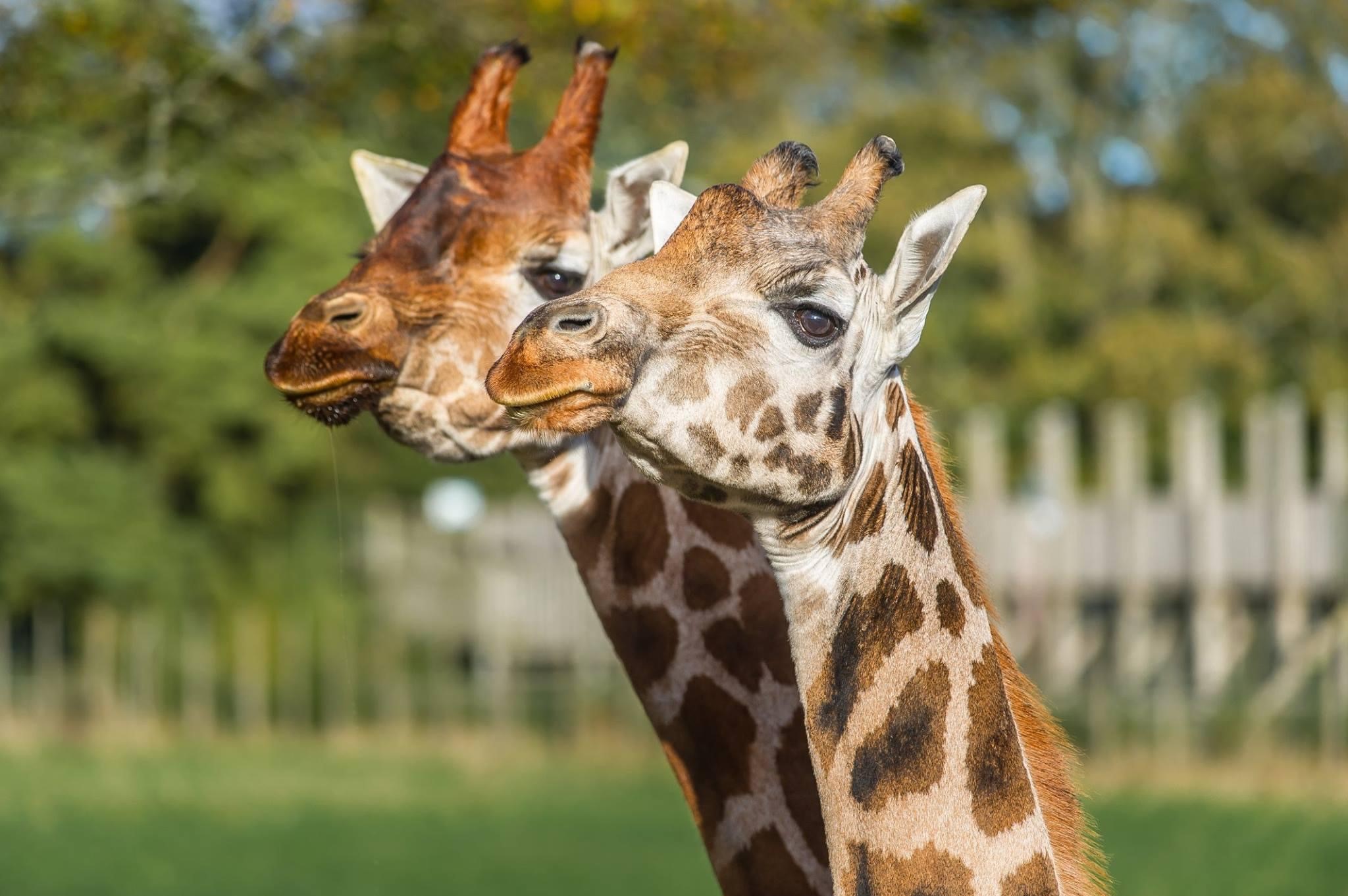
The start in the safari park was quite unique. The downside of the location was having no spectators as it was closed to everyone except participants and events team members. I should have specified human spectators: the upside of the location was having giraffes literally stretch their necks over the fence to watch the start of the race. The early part of the run, through Doune, Dunblane and heading to Bridge of Allan was undulating, and the turnout of spectators in these small towns was amazing and kept the adrenaline flowing. Undulating became more challenging through the University of Stirling campus, but the real challenge came in Stirling itself where the route entailed two and a half circuits round the city centre, including cobbled streets and pedestrian underpasses – I could feel the usual stamina draining away and had to adjust the mental calculations that go though my mind in such events as it became clear that I was nowhere near a personal best time. An otherwise excellent route deteriorated further at the finish in a muddy field with some organisational hitches in retrieving my belongings. Overall then, a slight feeling of disappointment despite a largely impressive inaugural event.
Finish time: 3:39:40
#8 Loch Ness, October 2017
In contrast to the Stirling run, the Loch Ness Marathon is a long-established event with a strong reputation. I had decided that, for the first time, I wanted to tackle a second marathon within a calendar year. The intention was to build on the training I had undertaken for the Stirling Marathon, using that as a springboard for an autumn run. By this time I was clear that I wanted to aim for completing ten marathons, so two in 2017 would take me closer to this goal too.
The logistical challenge faced by the organisers in bussing nearly 3000 runners to an improbably remote race start on General Wade’s Military Road to the south of the eponymous loch should not be underestimated and the fact that it was met successfully is testament to the years of undertaking it. It was cold and wet waiting for the start, but the extraordinary highland setting was inspiring. The route is undulating early on before settling into a fairly long relatively flat stretch with the loch to the left and forest to the right.
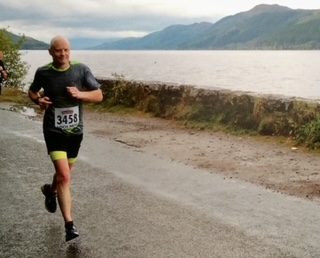
There’s a sharp incline as the route leaves the loch and heads in towards Inverness before a nice flat finish along the banks of the Ness river. In terms of the overall package – organisation, scenery, route and atmosphere (at the finish if not through the long remote stretches) – this is, in my experience, one of the best marathon events. It’s certainly no easy route, and the early downhill stretches are deceptive, but it pretty much went according to plan for me, which may help to explain why I have such positive feelings towards the Loch Ness Marathon.
Finish time: 3:36:05
#9 Athens, November 2018
My sights now firmly set on completing ten marathons, I sought out a “bucket list” event for #9. Athens: The Authentic ticked all the right boxes – an enticing location for a trip, an autumn event for summer training (see Dublin above), the unrivalled marathon history – both ancient and modern – and THAT finish.
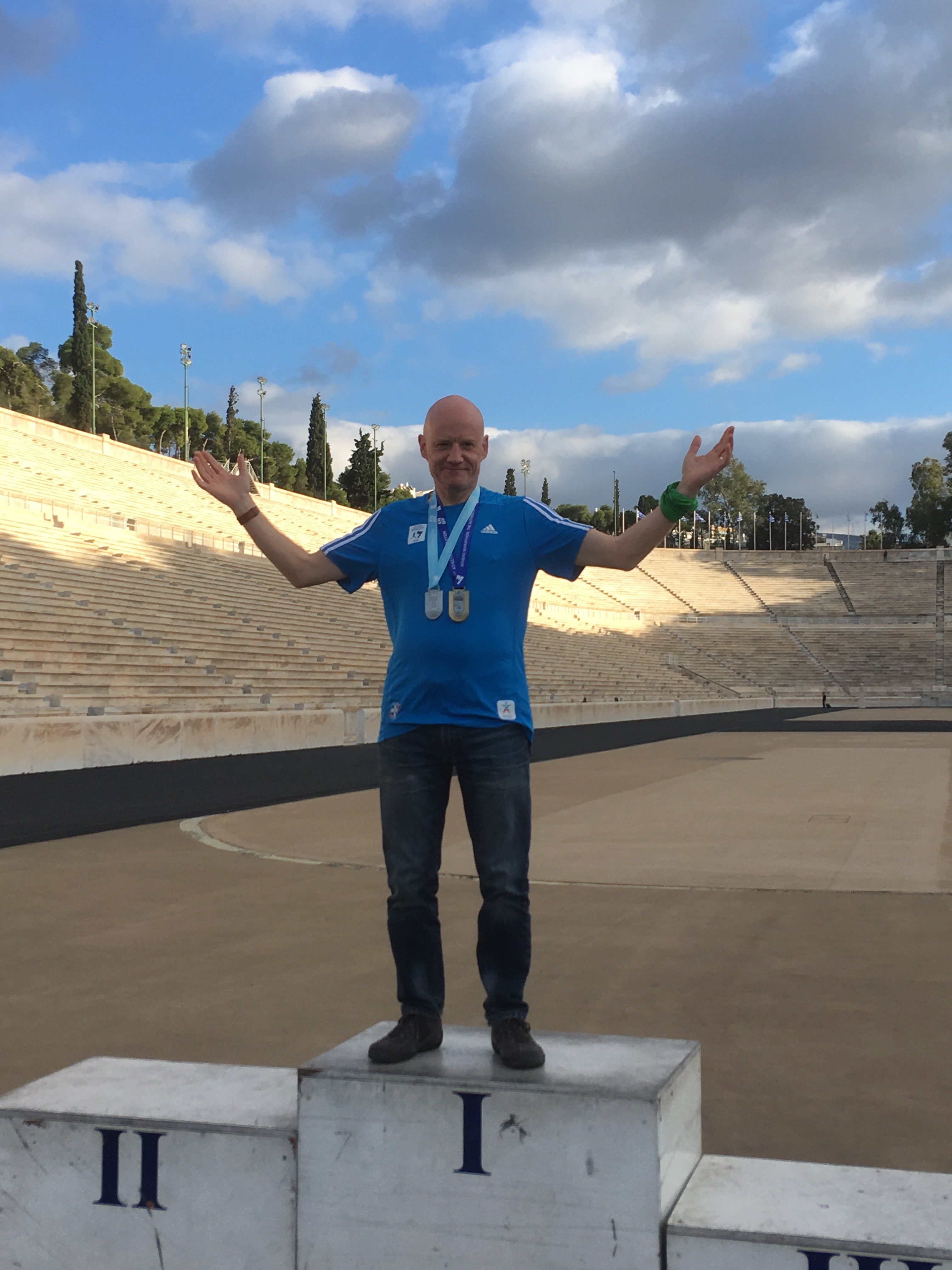
I spent a fair bit of time planning this trip, booking an apartment for a week which I would share with my two oldest offspring. I opted for a 26-week training programme, longer than any of my previous ones, this time using a training app which I followed diligently. This was a hard slog, but I was confident that the long hours of training would prepare me fully for what promised to be a tough race. My preparation was thorough, but the event was thrown into doubt by the “unspeakable tragedy” of the Attica wildfires in July 2018 when over 100 lives were lost and damage caused to countless homes, vehicles and acres of vegetation. The marathon went ahead but a shadow was cast over the event – the organisers arranged an awareness-raising feature of providing green sports buffs to every runner and many local people used the event’s high profile to demonstrate against the authorities’ response to the fires and their impact.
The Athens marathon sets off from the town of Marathon, the scene of a famous battle in 490BC in which the Athenians overcame the Persian invaders, leading to Pheidippides’ mythical run to Athens to announce victory before promptly dropping dead. There is much ceremony associated with the event today, including the lighting of a Marathon flame and taking an athlete’s vow in the spirit of the Olympics. At around 5km the route circuits the Marathon battlefield and tomb. It then passes the area most ravaged by the fires before heading inland towards an unrelenting slow incline for around 12 km which saps the runners’ stamina before dropping into the city of Athens itself. The finish in the extraordinary Panathanaic Stadium – rebuilt in marble for the 1896 Olympic Games on the site of a stadium from ancient Athens – is like no other.
The temperature was not too uncomfortable (17-19°) but with constant sun and no wind it was demanding conditions in which to run 42km. So, while a PB was always unlikely on such a challenging course I was pretty happy to finish well within my now customary 3:30-3:40 window, though I needed a lie down after that…
But not for long. After a long bath and a short sleep back in our flat, I was up and out again, joining my daughter and son and several thousand others to take part in the early evening 5k road race, taking it all very easy and this time able to more fully appreciate the unique finish in the Panathanaic Stadium. Two medals in one day was not a bad haul and I can assure you that I slept well that night.
We stayed in the Exarchia district, climbed the hills at Strefi and Lycabettos, explored the Acropolis and the National Archaeological Museum and took a day trip to the island of Hydra. An altogether epic marathon experience.
Finish time: 3:36:43
The Quest for #10
I had barely returned to Edinburgh from Athens when my attention turned to preparing for running my 10th (and final?) marathon. I did a wee bit of research into events that might fit the bill and opted for Paris in April 2019. I chose Paris for several reasons: it’s one of the big landmark events with a relatively flat course, but easier to gain entry to than London; my brother-in-law had run it every year for many years and spoken highly of it, and the 2019 event coincided with my wedding anniversary, so I could combine the marathon with a romantic weekend in Paris, really. I booked accommodation in Montmartre and return flights, and arranged the required medical certificate for participating.
I also decided to return to fundraising for this event, making this video to help promote my efforts:
Starting from a good level of fitness after Athens, I used a 16-week training programme designed to give me the best chance of reaching a PB time. Such targets are pretty arbitrary and have to be approached with a clear understanding that there are so many factors at play in achieving a specific time – both during the preparation and in terms of the conditions on the day of the event – that it’s essential to take a relaxed approach to goal-setting. Nevertheless, I was happy with the progress I made over the winter months and by the time I completed a 32k run in torrential rain five weeks out from Paris I felt that that the discomfort was all going to be worthwhile.
Then I broke my leg. I was still playing 5-a-side football weekly on Mondays and, as usual, I planned to take a rest from the football in the weeks leading up to the marathon. The night after my long Sunday run was to be my last football before going to Paris. An awkward stretch to reach the ball while in an unfamiliar defensive position led to the ball getting caught under my outstretched leg, my other leg hit the ground at an unnatural angle and – crack – my latest marathon attempt was put on hold. I was pretty certain there and then that it was fractured and this was confirmed by x-ray at Accident and Emergency shortly afterwards.
I’m an eternal optimist, so initially I came to terms with having to cancel the marathon by continuing with plans to go to Paris for a holiday just a few short weeks later. However, I was soon persuaded that tackling the cobbles, steps and hills of Montmartre in a moonboot and crutches was unwise and so accepted the inevitability of cancelling the whole trip. A few days of pain relief helped me to avoid feeling my disappointment too acutely, and I soon started researching recovery periods and anticipating when I might be able to walk unaided so that I could work towards a return to running. The seamless treatment journey from Accident & Emergency to Orthopaedics to Physiotherapy was impressive testament to the high standards provided by the NHS, and I was soon making plans with the physiotherapist for building up strength with a view to jogging a few steps in June or July.
Then I became concerned about increased swelling in my foot and one day in late May started feeling faint and had fluctuating body temperature. So it was back to the Royal Infirmary of Edinburgh, this time to be diagnosed with cellulitis. It turned out to be pretty stubborn too, requiring over a week of daily intravenous antibiotics before the swelling and pain reduced. At this point, for the first time, I had begun to doubt if I would ever run again and had to mentally and emotionally adjust my expectations. Box sets have never really been my thing, but over that period from March to June I worked my way through more TV, films and books than I had done for years. If only I’d kept some back for 2020…
As I recovered from the cellulitis, I went back to see the physiotherapist. He remained optimistic about the prospects for my recovery and encouraged me to return to the gym and begin to build the strength in my ankle again. Over August to October I gradually worked my way back to fitness, taking a month to build from 2km to 5 km and then two further months to reach 10km again, despite a brief recurrence of the cellulitis (this time nipped in the bud at the first hint of the now-familiar symptoms). With no other ill-effects, it was time to start making plans for another tilt at marathon #10.
This time, far from starting from a good level of fitness as I had for my aborted attempt at Paris, I was returning from injury and illness. The physiotherapist had given me strength-building exercises but I felt that I needed some additional help to work back to the kind of readiness necessary for attempting to reach a personal best time. I approached We Run who link runners in with local coaches to prepare a bespoke training plan. This gave me the opportunity to talk through my previous marathon experience and my return from injury with a qualified coach who then put together a 26-week training programme. The programme consisted of 4 sessions per week including one long run and 2-3 harder sessions and included sustaining or repeating faster paces – much harder work than most of the training runs I had undertaken in the past – as well as some core strength training to address a clear gap in my previous training. I signed up for the Copenhagen Marathon scheduled for May 2020 and got down to the hard graft. I followed the plan pretty religiously over the following months and felt the benefit. It was the first time in my life I have used the gym regularly and I came to quite enjoy this departure in my marathon preparation.
But early in 2020, as we all know, the cloud of COVID-19 began to cast its shadow over….everything, everywhere. Doubt over the staging of public events began to emerge, and soon my planned half-marathon preparation run, scheduled for Alloa at the end of March, was cancelled. Initially I continued to work towards my main target in Copenhagen in May. Inevitably, this too was cancelled. I was hugely disappointed of course, but in the grand scheme of things it was the right thing to do and, like everyone else, my focus was changing as we adapted to the new reality.
The UK went into lockdown but thankfully daily exercise was spared. As long as I was careful to plan my route to avoid busy streets and paths, and with a bit more free time due to not commuting and other events being cancelled, I was able to keep up a good level of fitness during this period.
I didn’t want this fitness to go to waste, so decided to enter another marathon. Iceland was considered a success story in keeping COVID at bay – partly due to its unique geography and partly a result of high levels of trust in their experts – infection numbers were negligible and there was a requirement to submit for a COVID test on arrival, so I had high hopes that the Reykjavik Marathon in August 2020 would proceed as planned. An unexpected spike in cases in Iceland – though small by UK standards – at the end of July put paid to that however. The marathon was called off with less than 3 weeks to go, and once again I found myself up to full marathon fitness but unable to take part in the planned event.
I put the training on pause while I considered what to do next. I was still keen to take advantage of the training programme developed by my We Run coach, but there was no prospect of autumn marathons taking place. I pondered the option of running solo, but decided instead to take up the option of a deferred place in the Copenhagen marathon in May 2021 and to start over again with the We Run programme. This brought the added advantage of being able to compare my progress directly with my training the previous year.
So November 2020 saw the start of yet another training programme. Just a few weeks in, the rising tide of COVID cases meant that the gym closed again, just as I was getting into a regular rhythm of weekly workouts. For the first time in my life I was enjoying strength exercises in the gym and so the closure was a bit of a setback. I had to develop my strength work at home, a challenge in terms of both technique and motivation.
As we moved into 2021 it seemed increasingly unlikely that the Copenhagen Marathon would take place in May as scheduled. So another adjustment to my planning had to take place and, for the first time, I began to seriously consider undertaking the challenge of solo marathon.
A solo marathon involves a whole new level of planning. I had to create a suitable route and, Scottish weather being unpredictable as it is, I created two routes to take account of the possibility of strong winds. Organised events mean closed roads, so planning a solo marathon required careful consideration of road crossings and other potential barriers to smooth progress. I didn’t want to carry drinks and nutrition with me on the day, so I sought assistance from relatives and friends to be available at designated points with the right drinks and snacks to get me through it.
For additional motivation and to ensure that I had something to show for my efforts I signed up for a “virtual marathon”. Virtual events are a COVID growth industry and, to be honest, something of a rip-off, but the European Virtual Marathon Brussels fell on the same day I had been due to run the marathon in Copenhagen and provided the starter number, shiny medal, running t-shirt and official ranking that ‘legitimised’ counting my solo marathon as marathon #10.
Meanwhile, my training continued. For Copenhagen in May 2020 I had trained up to week 21 of my 26-week programme and then for Reykjavik in August 2020 I had repeated several weeks of the programme and taken it up week 23. So as I prepared for the solo marathon scheduled for 16 May 2021 I was repeating sessions from the heart of the training programme, sometimes for a second time, before undertaking my longest training run and then tapering in anticipation of undertaking my tenth marathon in circumstances that I could never have predicted.
#10 The Solo Marathon, May 2021
The DC Solo Marathon 2021 took place in Edinburgh on Sunday 16 May. The weather forecast had predicted excellent conditions – dry, mild and a gentle easterly breeze. I therefore opted for my first choice marathon route. The route started close to home and the first 25k was similar to the official Edinburgh Marathon route, heading down to the seafront at Fisherrow harbour in Musselburgh and then an out and back route along the East Lothian coast, turning in Port Seton (unlike the EMF route which carries on beyond Longniddry to Gosford House). Thereafter it continued westward along the seafront through Portobello, Seafield, Leith, Newhaven and Granton, finishing up on the Promenade at Silverknowes.
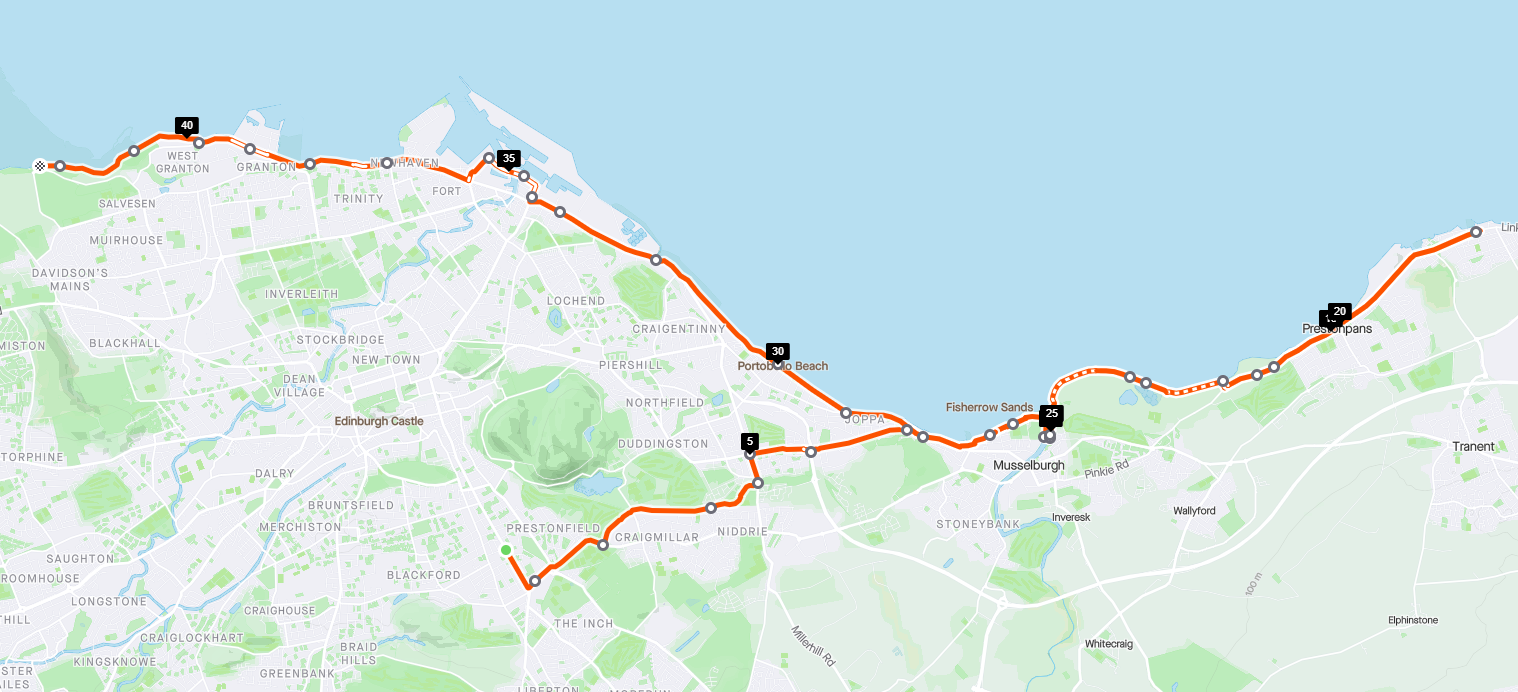
I set off at 0830 and followed the well-trodden paths I had meticulously planned, run through in sections and rehearsed in my head. My family were out in force to help, reliably turning up at every 5k to hand me a bottle of water and the occasional sports gel too. The weather was even better than forecast, giving me a rich crimson look by the end of the run. Unlike in organised events, I had to keep an eye out for traffic and wayward pedestrians but, on the plus side, got to listen to music to keep me going.
I held a steady pace for the first 30k, the pace dipped slightly for 5 before hitting the toughest stretch from 36 to 39k when it was a struggle to stay under 5 minutes 30 per kilometre. I managed to pick it up a little from 40k at the expense of stiffening muscles and crossed the imaginary finish line when my Garmin intimated that I had completed 42.2k in a time of three hours, 31 minutes and 41 seconds – not the sub-3:30 that I had hoped for in my most optimistic moments, but a time to be proud of at the age of 57 and after the delays of the previous two years. And my competitive edge was satisfied when I learned that I was the fastest finisher aged over 50 in the European Virtual Marathon.
Finish time: 3:31:41
******************************************************
So that’s it then: ten marathons over the course of 23 years. Different levels of preparation; various locations; challenging and even more challenging routes; wildly varying weather conditions, sometimes during the same marathon. It’s been a slow burn, especially in the early years and of course in the twists and turns of the build-up to the final event, but that’s been part of the magic of the journey for me, reflecting the oft-quoted truth that life is, indeed, a marathon not a sprint.


 RELUGAS
Leave a reply to Isabel Cancel reply